Gender & Climate Justice
Securing land rights, amplifying voices in climate governance, and protecting women environmental defenders across South Sudan.
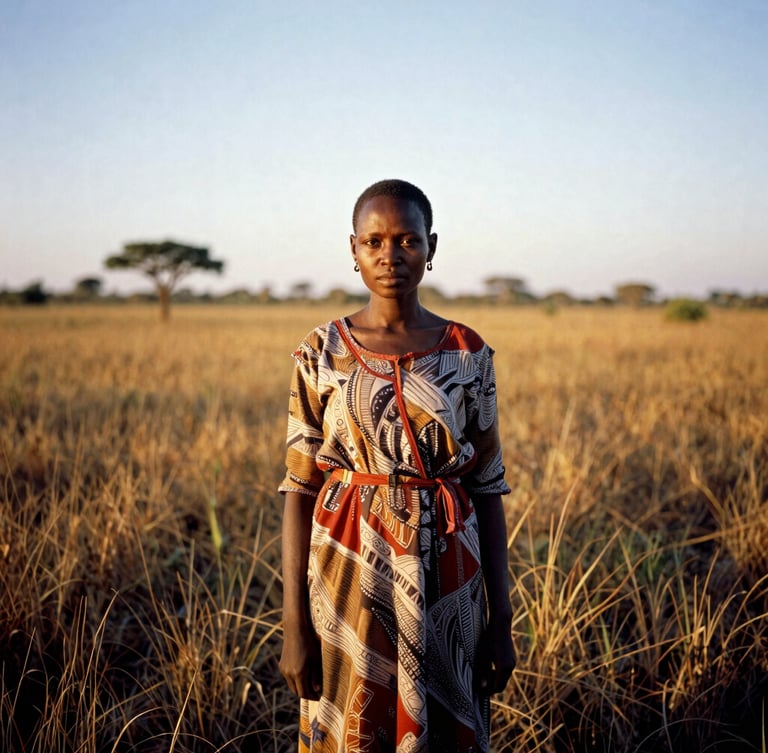
True environmental sustainability is impossible when the primary users and caretakers of the land are legally and socially marginalized. In South Sudan, rural and indigenous women bear the disproportionate brunt of climate emergencies—such as severe droughts and unpredictable flooding—yet they are systematically excluded from land ownership, resource governance, and climate policy discussions.
MOVE’s Gender & Climate Justice program tackles this systemic imbalance head-on. We work to dismantle the structural, customary, and institutional barriers that keep women out of decision-making spaces. By providing legal literacy, fostering leadership skills, and building protective solidarity networks, we ensure that grassroots women are not just passive participants in conservation, but the legal and political architects of climate adaptation.
Securing formal leadership
45%
representation on local land councils
12k
hectares of wetland protected under female stewardship
3
regional policy reforms secured
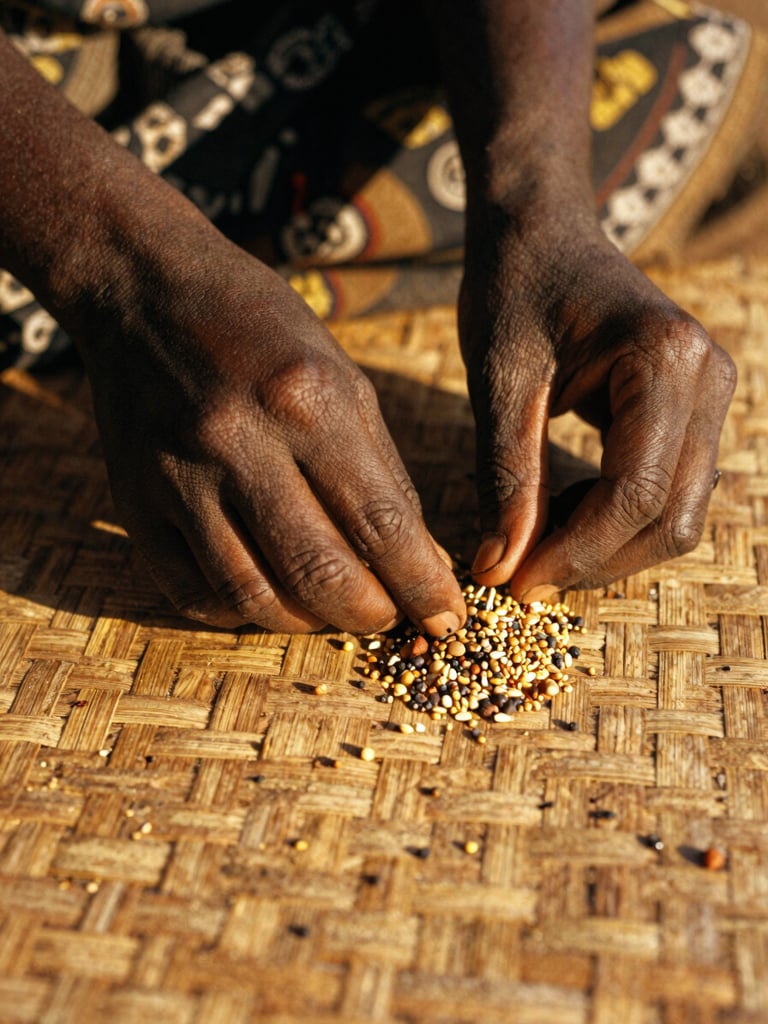
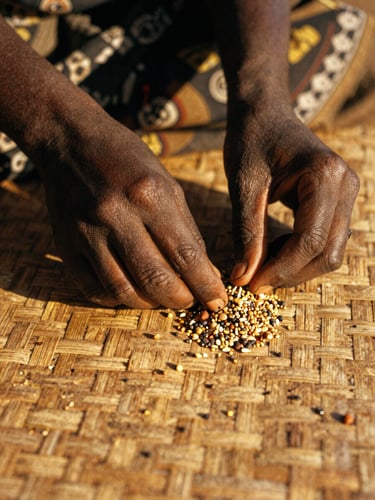
Customary rights to legal power
We work directly with traditional leaders and local authorities to formalize women's roles in community land-use planning. By bridging ancestral knowledge with legal advocacy, we ensure that conservation is both culturally rooted and legally binding.
Our programs train women in environmental mapping, legal literacy, and community-led advocacy. This structural shift moves women from informal caretakers to recognized, legal custodians of South Sudan's critical biodiversity hotspots.
Movement for Organic and Vulnerable Ecosystems (MOVE) — Redefining conservation through a grassroots feminist lens in South Sudan.
Explore
Home
About
Programs
Partner
Reach out
info@movecofeminism.com
Jonduro, Eye-Radio Road, Juba, South Sudan
+211 912 345 678
© 2026 MOVE-Direct-to-community conservation in South Sudan.
COMMUNITY-ROOTED STEWARDSHIP